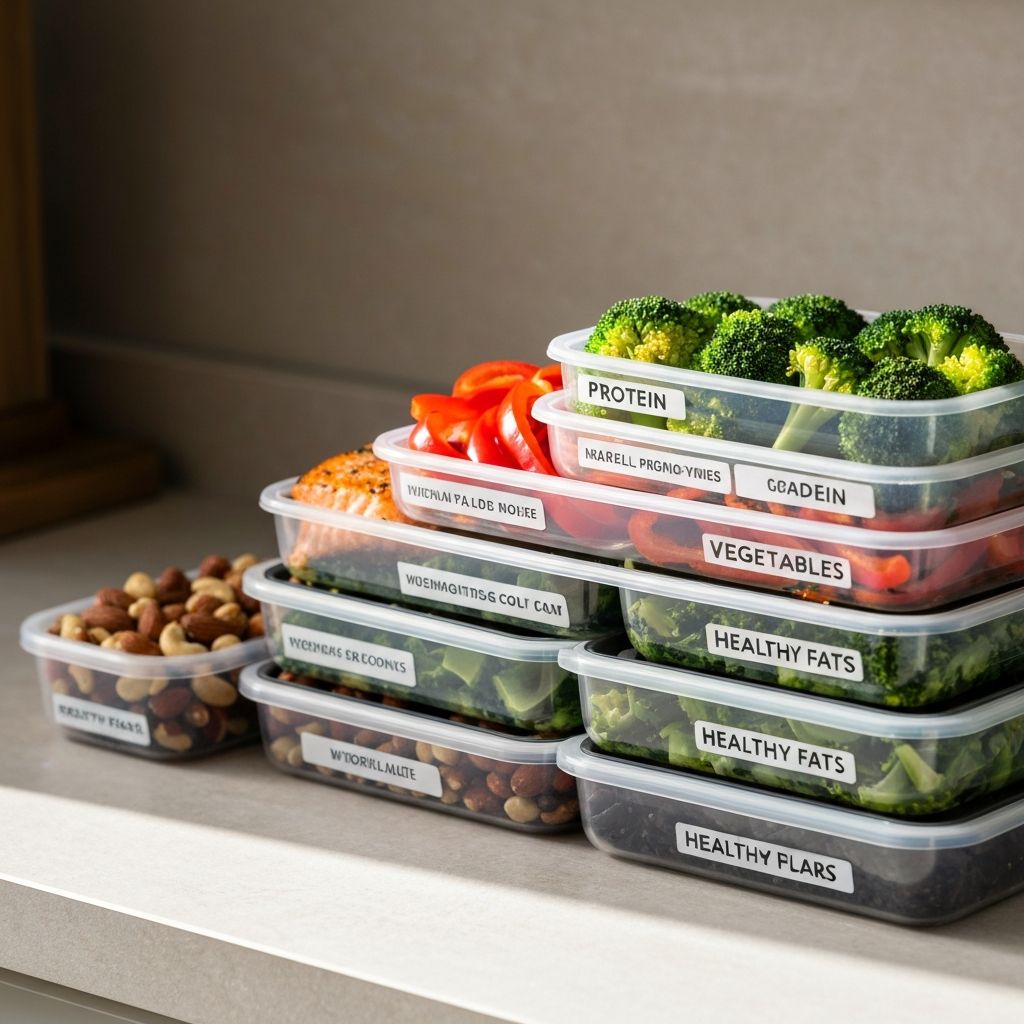
Healthy meal preparation

Welcome to DocuFlow

Your educational platform for exploring ketogenic-style eating and intermittent fasting routines

We are lifestyle nutrition consultants who provide general information and guidance on building sustainable eating habits. Our approach focuses on education, daily routine planning, and responsible lifestyle integration.

Learn More About Keto Routines

What is a Keto-Style Eating Routine?

Low-carb food selection

A ketogenic-style eating routine focuses on reducing carbohydrate intake while increasing healthy fats and moderate protein. This approach to daily eating has become popular as a lifestyle choice for many individuals.

This eating pattern emphasizes whole foods such as vegetables, nuts, seeds, healthy oils, and quality proteins. It encourages mindful food choices and awareness of what you consume throughout the day.

As an educational platform, we provide general information about this eating style. We encourage you to explore various resources and consider consulting with qualified professionals before making significant lifestyle changes.

What is Intermittent Fasting?

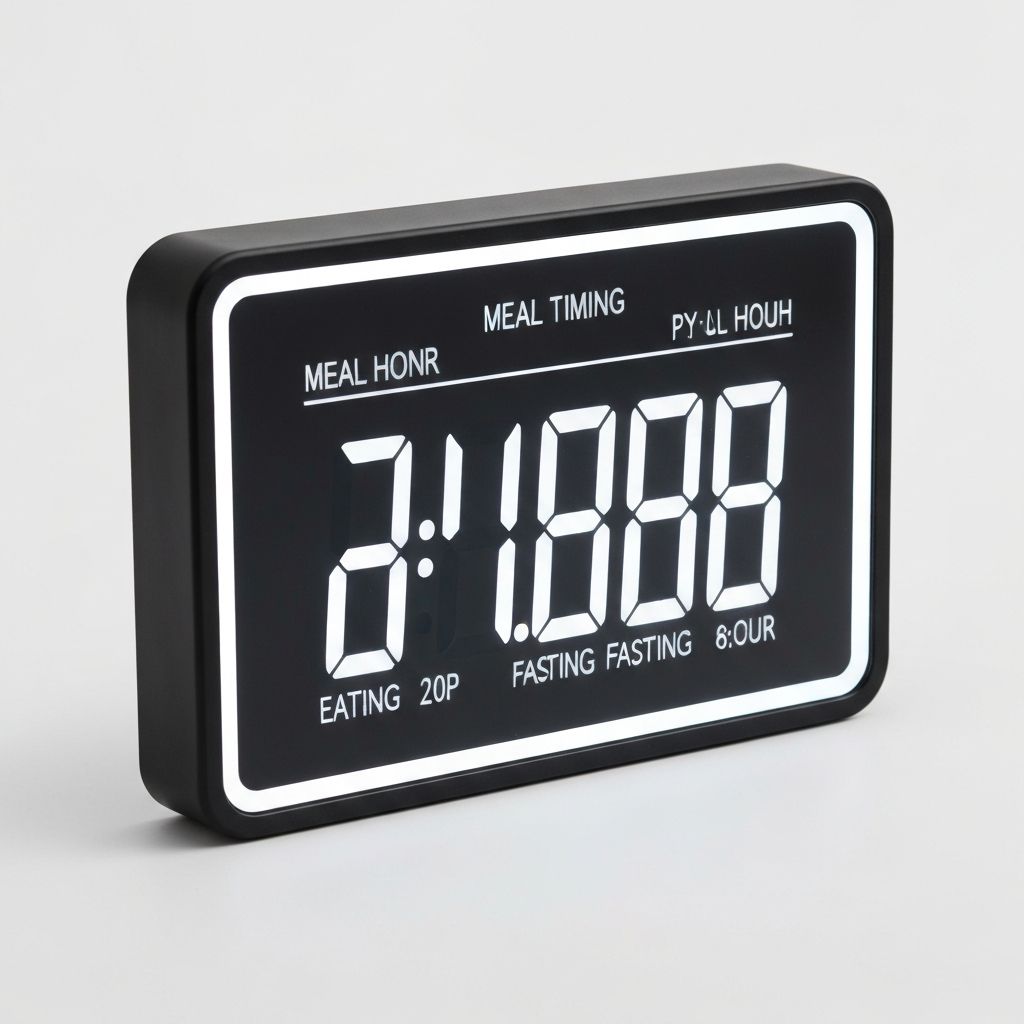
Daily eating schedule planning

Intermittent fasting refers to eating patterns that cycle between periods of eating and voluntary abstaining from food. It's an approach that focuses on when you eat rather than what you eat.

Many people explore this as a way to structure their daily routine. Common approaches include eating within specific time windows during the day, such as an 8-hour eating window followed by a 16-hour fasting period.

This is simply one approach to organizing your daily meals. Individual experiences vary, and what works for one person may not suit another.

Common Routine Formats

Different people prefer different eating schedules. Here are some common formats that individuals explore:

16:8 Format

16 hours of fasting with an 8-hour eating window. Many people find this manageable as it often means skipping one meal.

18:6 Format

18 hours of fasting with a 6-hour eating window. This is a more condensed eating period that some individuals prefer.

5:2 Format

Regular eating for 5 days with significantly reduced intake on 2 non-consecutive days per week.

These are simply examples of how people structure their eating schedules. Individual needs and preferences vary significantly.

Meal-Planning Basics

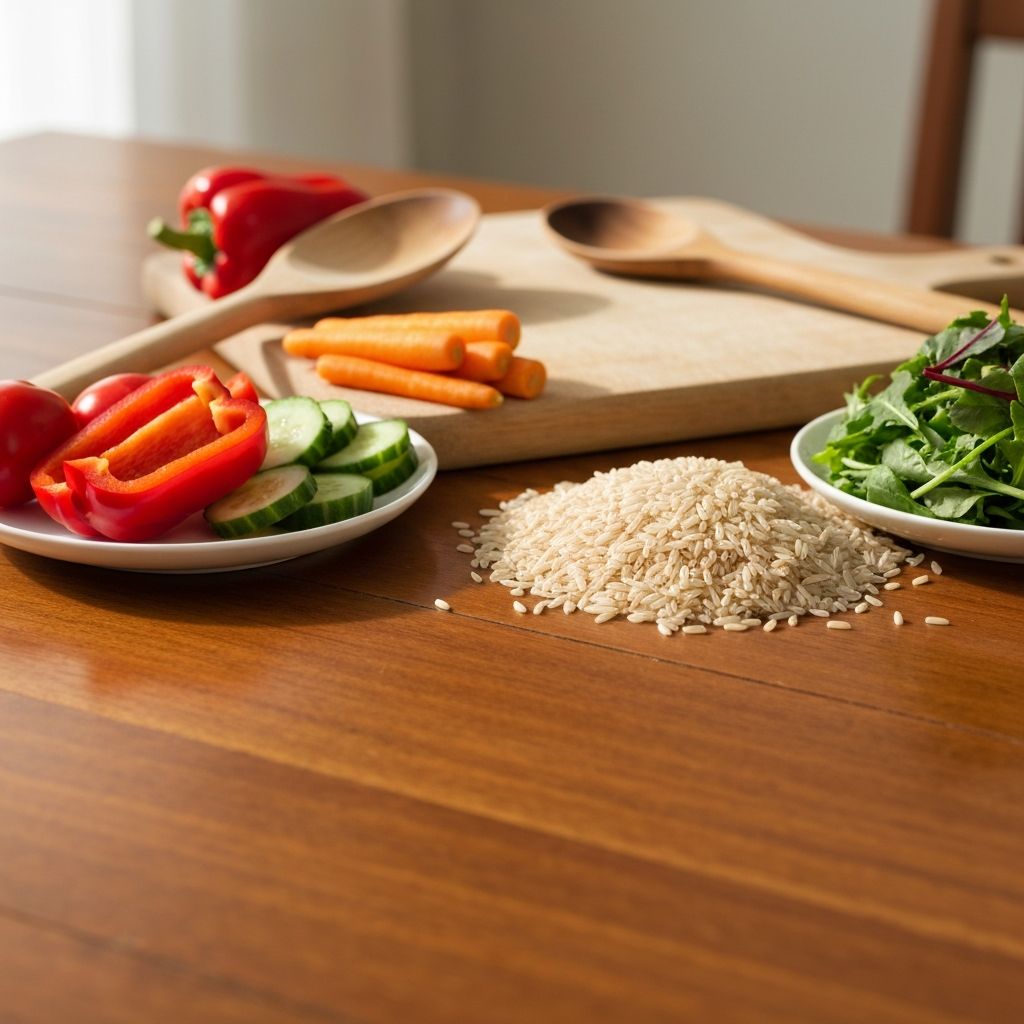
Meal preparation and planning

Shopping and Preparation

Planning your meals ahead of time can help you stay consistent with your chosen eating routine. Consider creating a shopping list focused on whole foods, vegetables, healthy fats, and quality proteins.

Hydration Matters

Staying well-hydrated is an important part of any daily routine. Water, herbal teas, and other non-caloric beverages can support your overall wellbeing throughout the day.

Keep It Simple

You don't need complicated recipes or expensive ingredients. Focus on simple, whole foods that you enjoy and that fit within your chosen eating pattern.

Habit Support: Beyond Food

Sleep Quality

Adequate rest supports overall wellbeing and may help you maintain consistency with your eating routine. Most adults benefit from 7-9 hours of sleep per night.

Regular Movement

Physical activity is an important component of a balanced lifestyle. Find forms of movement that you enjoy and can maintain consistently.

Consistency Over Perfection

Building sustainable habits takes time. Focus on making gradual changes that you can maintain over the long term rather than pursuing perfection.

Who This Approach May Be For

Many individuals explore ketogenic-style eating and intermittent fasting as part of their personal lifestyle choices. These approaches may appeal to:

These eating patterns are not suitable for everyone. Individual circumstances vary greatly. We encourage you to research thoroughly and consult with qualified professionals before making significant lifestyle changes.

Safety & Responsibility Notes

When exploring any new eating routine, consider the following general guidelines:

  • Listen to your body and adjust your approach as needed
  • Stay adequately hydrated throughout the day
  • Ensure you're consuming a variety of nutrient-dense foods
  • Be patient with yourself as you adapt to new routines
  • Consider your individual circumstances and lifestyle
  • Make changes gradually rather than abruptly
  • Keep a journal to track how you feel during the transition
  • Consult qualified professionals for personalized guidance

The information on this site is educational and general in nature. It is not intended to replace professional advice. You are responsible for your own decisions regarding lifestyle changes.

What People Are Saying

"The educational resources helped me understand the basics of intermittent fasting. I appreciated the neutral, informative approach."

— Rina, Jakarta

"DocuFlow provided clear guidance on meal planning basics. The information was practical and easy to understand."

— Budi, Surabaya

"I learned about different fasting schedules and found one that fits my daily routine. The consultation guidance was helpful."

— Sari, Bandung

Frequently Asked Questions

Focus on whole, nutrient-dense foods. In a ketogenic-style routine, this typically includes vegetables, healthy fats like avocados and olive oil, nuts, seeds, and quality proteins. Choose foods you enjoy and that make you feel satisfied.

Consider your daily routine, lifestyle, and personal preferences. Many people start with a 12-hour fasting window and gradually extend it. Choose a schedule that feels manageable and fits naturally into your day.

Water, black coffee, and plain tea are commonly consumed during fasting periods as they contain minimal to no calories. Staying hydrated is important throughout the day.

Planning ahead can help. Pack suitable snacks, research food options at your destination, and be flexible with your schedule when necessary. Some people adjust their eating windows temporarily while traveling.

Don't worry about occasional variations. Consistency over time is more important than perfection every single day. Simply return to your routine with the next meal.

Ready to Learn More?

Explore personalized routine guidance with our lifestyle nutrition consultants

Request a Consultation Learn About Our Approach